Boursin Chicken Recipe with Creamy Garlic and Herb Sauce
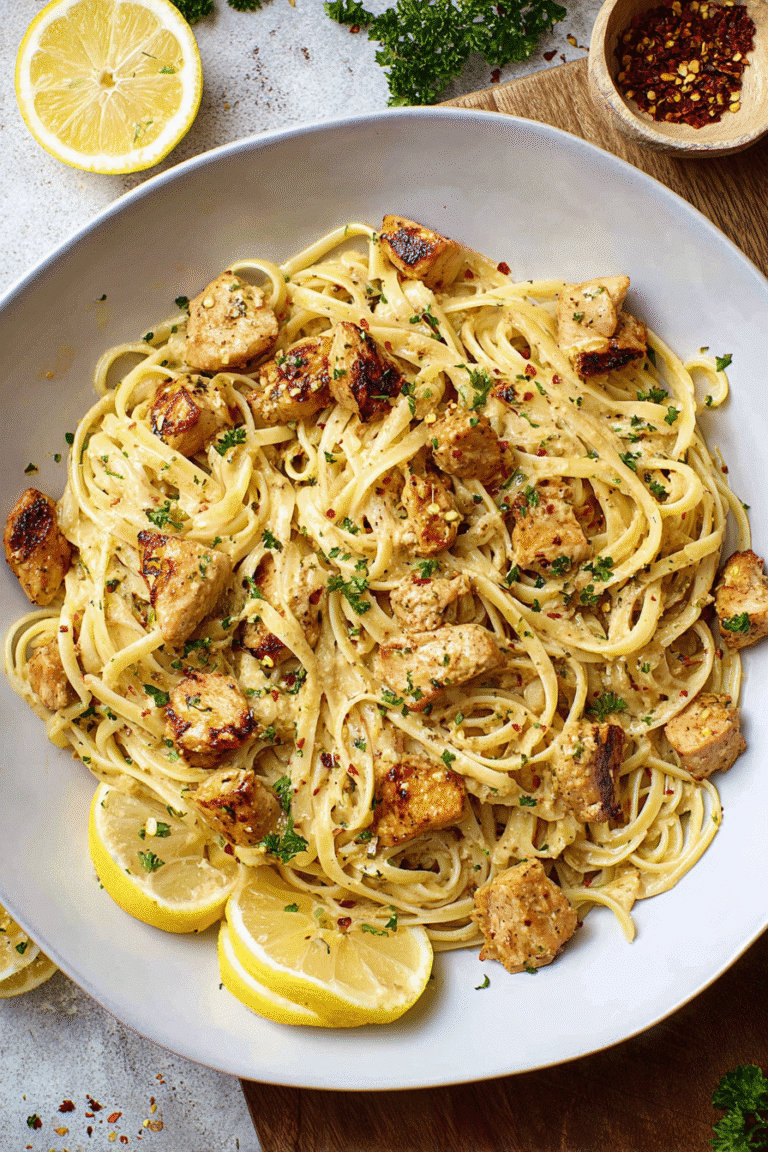
Boursin chicken brings together thinly sliced chicken breasts, a quick skillet sear, and a creamy garlic-and-herb sauce made with Boursin cheese and chicken broth. The result is a practical weeknight dinner with a short ingredient list and plenty of sauce for mashed potatoes, pasta, or rice.
Because the chicken is cut into six thin cutlets, it cooks relatively quickly and develops a golden exterior before the sauce is prepared. Room-temperature Garlic and Herb Boursin then melts into warm broth, creating a smooth sauce without flour or another thickening agent.

✨ Heart-Healthy Family Dinners Ebook
30 nourishing dinner recipes packed with flavor — simple, cozy meals the whole family will love.
- ✓Easy weeknight dinners with simple ingredients
- ✓Chicken, skillet, and comfort meals the family enjoys
- ✓Heart-healthy friendly, big flavor, no stress
- ✓Instant digital download (secure checkout)
Why Boursin Chicken Works in One Skillet
Thin chicken cutlets give the skillet boursin chicken a useful balance between browning and quick cooking. Cutting three chicken breasts in half lengthwise creates six thinner pieces, making it easier to sear both sides evenly and check the internal temperature without relying on a long cooking time.
Meanwhile, the pan itself contributes flavor to the sauce. Once the chicken leaves the skillet, the browned bits left behind can be loosened with chicken broth. Those concentrated pieces of cooked chicken and seasoning become part of the finished sauce instead of being left behind in the pan.
Only the broth and Boursin are needed for the creamy portion of the sauce. The cheese already contains garlic and herbs, so the sauce gains its characteristic flavor as the soft cheese melts into the warm liquid.
Room-Temperature Boursin Keeps the Sauce Smooth
Garlic and Herb Boursin is especially suited to boursin chicken because its soft texture melts readily into warm broth. Letting the 5.2-ounce block come to room temperature before cooking makes that process easier and helps the cheese incorporate smoothly.
| Choice | Effect in the skillet | Useful handling |
|---|---|---|
| Garlic and Herb | Classic garlic-and-herb flavor | Bring to room temperature before melting |
| Shallot and Chive | More delicate onion flavor | Use in the same sauce-building approach |
| Caramelized Onion and Herb | Deeper, sweeter onion profile | Use as a flavor variation |
Cold cheese can take longer to melt and may make the sauce more difficult to smooth out. Keeping the cheese at room temperature while the chicken cooks gives it a head start before it reaches the broth.
Thin Chicken Cutlets Give Boursin Chicken Better Control
Patting the chicken dry before seasoning removes surface moisture that can interfere with browning. Season both sides with salt, freshly ground black pepper, and garlic powder so the chicken has a simple seasoning base that complements the herb-filled sauce.
Pre-cutting the breasts also creates more manageable pieces for the skillet. Six thin cutlets can cook more evenly than thicker whole breasts, while their smaller size makes it easier to avoid leaving the exterior in the pan long after the center is cooked.
Skip seasoning blends for this preparation. The supplied method specifically uses salt, pepper, and garlic powder, and some premade blends contain sugar that can burn during high-heat searing.
Medium-High Heat Builds the Right Sear
Shimmering olive oil signals that the skillet is ready for the chicken. Medium-high heat gives the cutlets enough time to develop a golden-brown surface without keeping them in the pan longer than needed, a key detail for pan-seared chicken breast before the sauce is prepared.
- Dry surface: Pat the cutlets dry before seasoning.
- Hot oil: Wait until the olive oil is shimmering.
- Open pan: Cook in two batches when needed so the pieces are not crowded.
- Temperature check: Confirm that the thickest part reaches 165°F with an instant-read thermometer.
Overcrowding changes the cooking environment. When too many cutlets occupy the skillet at once, they can steam instead of searing, reducing the golden crust that contributes flavor to the finished boursin chicken.
Deglazing Turns Browned Bits Into Sauce
After the chicken is removed, ¾ cup of low-sodium chicken broth goes directly into the skillet over medium heat. A wooden spoon or silicone spatula can loosen the browned bits from the bottom as the broth warms.
Scraping the pan thoroughly matters because those browned pieces contain concentrated savory flavor from the seared chicken and seasonings. Once incorporated, they become part of the liquid surrounding the melted cheese.
Lowering the heat to medium-low before adding the room-temperature Boursin gives the cheese a gentler environment for melting. Continuous whisking helps combine the cheese and broth into a smooth, creamy sauce.
Common Boursin Chicken Mistakes to Avoid
Several problems can be traced directly to the handling described in the cooking method. Watching for the signs below makes it easier to correct the process before serving.
| Potential mistake | What you may notice | Better approach |
|---|---|---|
| Overcrowding the skillet | Chicken steams instead of browning | Cook in two batches when necessary |
| Adding cold Boursin | Cheese takes longer to melt or becomes lumpy | Bring the cheese to room temperature first |
| Skipping the deglaze | Browned bits remain stuck in the pan | Scrape the skillet after adding broth |
| Using high heat for reheating | The sauce can separate | Warm leftovers gently over medium-low heat |
Temperature control is particularly important once the cheese enters the skillet. Gentle heat and steady whisking give the sauce time to become cohesive without unnecessarily stressing its creamy texture.
Low-Sodium Broth Leaves Room for Salt Adjustment
Low-sodium chicken broth provides the liquid needed to dissolve the Boursin while leaving more control over the finished salt level. Since the cheese itself is seasoned, tasting the sauce after it becomes smooth is useful before adding additional salt or pepper.
Mashed Potatoes Catch Every Spoonful of Sauce
Mashed potatoes provide a soft base for the creamy garlic-and-herb sauce. The sauce can be spooned directly over the potatoes alongside the chicken, making them especially useful when you want the liquid portion of the meal to remain part of every serving.
Egg noodles, fettuccine, and penne offer another way to serve boursin chicken. Their surfaces and shapes can hold the creamy sauce, while steamed rice provides a simpler base with the same purpose.
Crusty bread works at the table when you want something for catching remaining sauce. A simple green vegetable can complete the plate; steamed green beans, roasted asparagus, and a crisp side salad are all options specifically suited to the meal.
Alternate Boursin Flavors Change the Sauce Character
Shallot and Chive Boursin shifts the sauce toward a more delicate onion flavor, while Caramelized Onion and Herb creates a sweeter, deeper profile. Both options preserve the basic skillet approach while changing the character of the finished sauce.
Boneless, skinless chicken thighs can also replace the breasts. They are described as more forgiving during cooking, but they still need to reach an internal temperature of 165°F before serving.
Mushrooms and Greens Expand the Skillet
Sliced cremini or baby bella mushrooms can be sautéed in the skillet before the broth is added. Their earthy character fits naturally with the garlic-and-herb sauce while making use of the same pan.
Fresh baby spinach or a small amount of sun-dried tomatoes can be stirred into the sauce just before serving. These additions change the color and texture without requiring a different sauce base.
Cooked penne can also be tossed with the Boursin sauce, topped with shredded mozzarella, and baked at 375°F for 15 minutes. That approach turns the skillet sauce into a baked pasta variation while retaining its central flavor.
Leftover Boursin Chicken Needs Gentle Reheating
Refrigerated leftovers should be kept in an airtight container with the chicken and sauce together. The supplied storage guidance allows up to 3 days in the refrigerator, while freezing is discouraged because the Boursin-based sauce can separate after thawing and reheating.
Ahead-of-Time Prep Is Mostly About the Chicken
Seasoned chicken can be prepared a few hours before cooking and kept covered in the refrigerator. Preparing the sauce later keeps the creamy portion closer to its intended freshly melted texture.
Gluten-Free Boursin Chicken Depends on the Broth
As written, boursin chicken contains no gluten-containing flour or starchy thickener. Anyone who needs to avoid gluten because of a serious allergy or celiac disease should also verify that the chicken broth used is certified gluten-free.
165°F Is the Key Temperature for the Chicken
An instant-read thermometer provides the clearest doneness check for the cutlets. Once the chicken reaches 165°F internally, it has reached the temperature specified for serving in the supplied cooking method.
Golden Cutlets and Smooth Sauce Define the Finished Dish
Golden chicken cutlets paired with a smooth Boursin sauce depend on two different kinds of control: enough heat to brown the chicken and gentler heat once the cheese enters the broth. Keeping those stages distinct protects both the crust and the creamy texture.
Room-temperature cheese, a thoroughly deglazed skillet, and continuous whisking are small details with direct consequences for the sauce. Together with a 165°F temperature check for the chicken, they provide the clearest path to a cohesive boursin chicken dinner.
Boursin Chicken Questions About Sauce and Serving
Can the Boursin sauce be made thicker?
If the sauce is thinner than desired, let it simmer for a minute or two so some liquid can reduce. If it becomes too thick, a small splash of chicken broth can loosen it before whisking again.
Can the sauce be doubled for pasta or potatoes?
A larger sauce batch uses 1.5 cups of chicken broth and two blocks of Boursin. That quantity is specifically suited to serving the chicken with pasta or mashed potatoes when more sauce is wanted.
What can replace Garlic and Herb Boursin?
Shallot and Chive or Caramelized Onion and Herb Boursin can be used when a different flavor profile is preferred. A high-quality garlic-and-herb cream cheese is also identified as a possible substitute, although its flavor will differ.
Why should the chicken be cooked in batches?
Too many cutlets in the skillet can crowd the cooking surface and cause steaming instead of searing. Dividing the chicken into two batches when necessary gives the pieces enough room to develop a golden-brown exterior.
How should the sauce be reheated with leftover chicken?
Medium-low skillet heat is the appropriate approach for leftovers, with a splash of chicken broth added if the sauce needs loosening. High heat should be avoided because it can cause the creamy sauce to break.